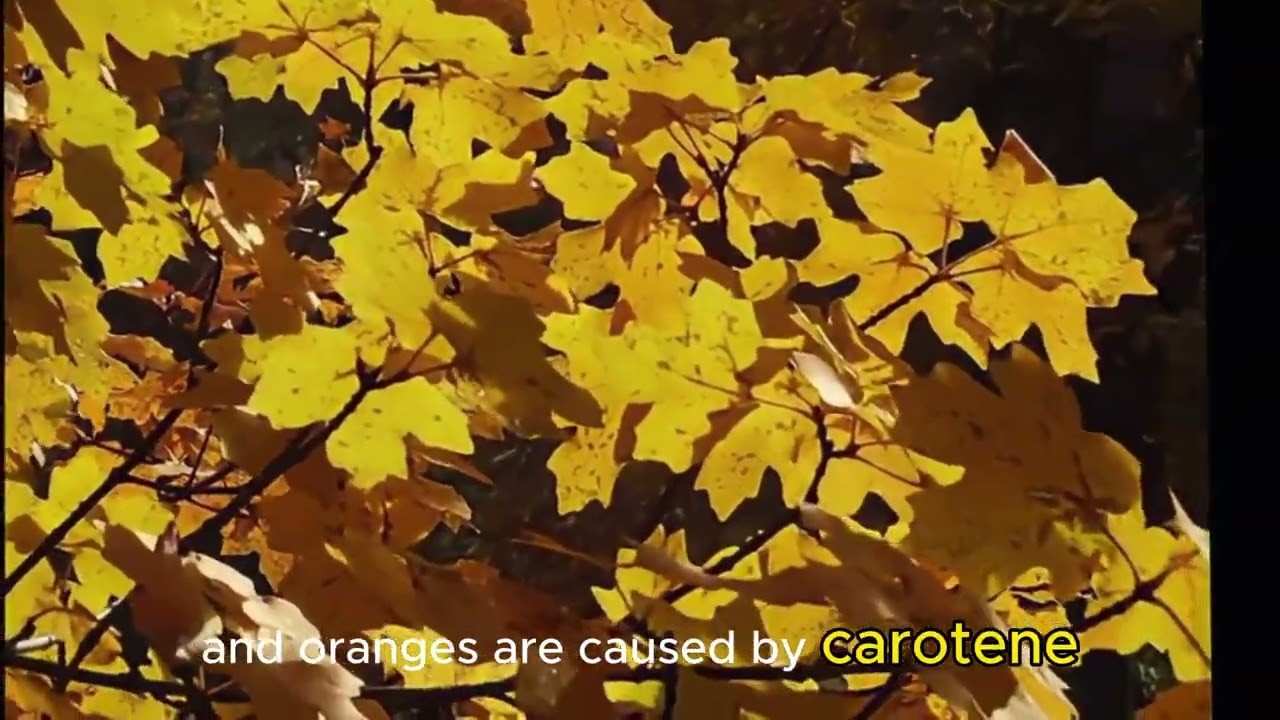
Come along with Ranger Amanda for a special guided tour of our seasonal transformation. In this quick video, she dives into the fascinating science of why these leaves change color and shares some breathtaking views of the landscape.
While the video is a great start, nothing beats the magic of experiencing these golden hues for yourself. We hope to see you on the trails soon!
Video Credit: George Sibley Duration: 3 minutes, 20 seconds Created: November 2019
Transcript
This transcript was generated automatically from the video's captions and may contain errors.
Bright orange leaves and colorful trees are not something you would expect to find in the Chihuahuan Desert. But every year in Guadalupe Mountains National Park, our desert comes alive with fall color. Now, you may be thinking, how did deciduous trees end up in the desert? During the last ice age, trees like this and many other plants and animals were able to thrive in this area with cool temperatures and significant rainfall. As the ice age ended, temperatures started to rise and rainfall amounts started to drop. Hello, Chihuahuan Desert. Even though there was a shift of flora and fauna in this area, our mountain range was full of small safe havens called riparian areas where the original plants and animals can still be found. Riparian areas are located near a water source and are semi-protected from the hot sun, resulting in a cooler temperature.
Other than water, the thing that deciduous trees love most is sunshine. They thrive during the summer with chlorophyll creating energy in their leaves, resulting in their beautiful green color. During the fall, as daylight hours begin to shorten, leaves stop their production of chlorophyll. The breakdown of green pigment allows other colors to be seen. The most common tree we have in the park is the bigtooth maple. This brings out fiery colors of yellow, orange, and red. Yellow is caused by xanthophyll and oranges are caused by carotene, the same pigment that makes carrots orange. Reds are created by the formation of anthocyanin, the same pigment found in beets and red cabbage. Anthocyanin is formed when sugar manufactured on sunny days becomes trapped in the leaf during cooler temperatures.
Because it is unable to circulate through the tree, the leaves change color. To see our amazing fall colors, the best area to explore will be Smith Springs and Devil's Hall in the Pine Springs area, McKittrick Canyon on the northeast side of the park, and Dog Canyon on the north side. The best time to visit will be the end of October and beginning of November. To stay updated on the development of fall color each year, please check our website and social media. If you visit during this time, it will be very busy. Parking lots tend to fill up on the weekends with the most popular area being McKittrick Canyon. If you can visit during the week, you have a much better chance of getting to see the areas you would like to see. Please leave your pets at home and stay on the trails when hiking.
And remember to follow your leave no trace principles. Also, we suggest at least a gallon of water per person per day when hiking on the trail. This is the desert after all. If you follow these easy rules, then we can make sure that you and others have a safe and enjoyable visit.



No comments yet